 +91 76719 19744
About KSR Exports
Premium Indian Rice — Basmati & Non-Basmati Export
APEDA Registered · DGFT IEC Certified · FSSAI Certified. Premium Basmati & Non-Basmati Rice from Andhra Pradesh — Krishna-Godavari delta.
Exporting Premium Tobacco · Cashew · Rice · Turmeric · Spices from Andhra Pradesh, India
APEDA Registered · DGFT IEC Certified · FSSAI Certified. Premium Basmati & Non-Basmati Rice from Andhra Pradesh — Krishna-Godavari delta.
KSR Exports is an APEDA Registered, FSSAI Certified and DGFT IEC Certified rice export company sourcing premium Basmati, Non-Basmati and Parboiled rice from Andhra Pradesh's Krishna-Godavari delta.
Based in Santhanuthalapadu, Prakasam District, Andhra Pradesh, we operate at the heart of India's FCV agricultural heartland. Our sourcing operations are embedded within the growing regions, giving us direct access to premium leaf from certified farms and registered growers.
We supply wholesale buyers, commodity traders and food importers across the Middle East, Africa and Europe — directly sourced from rice mills in the Krishna-Godavari delta.
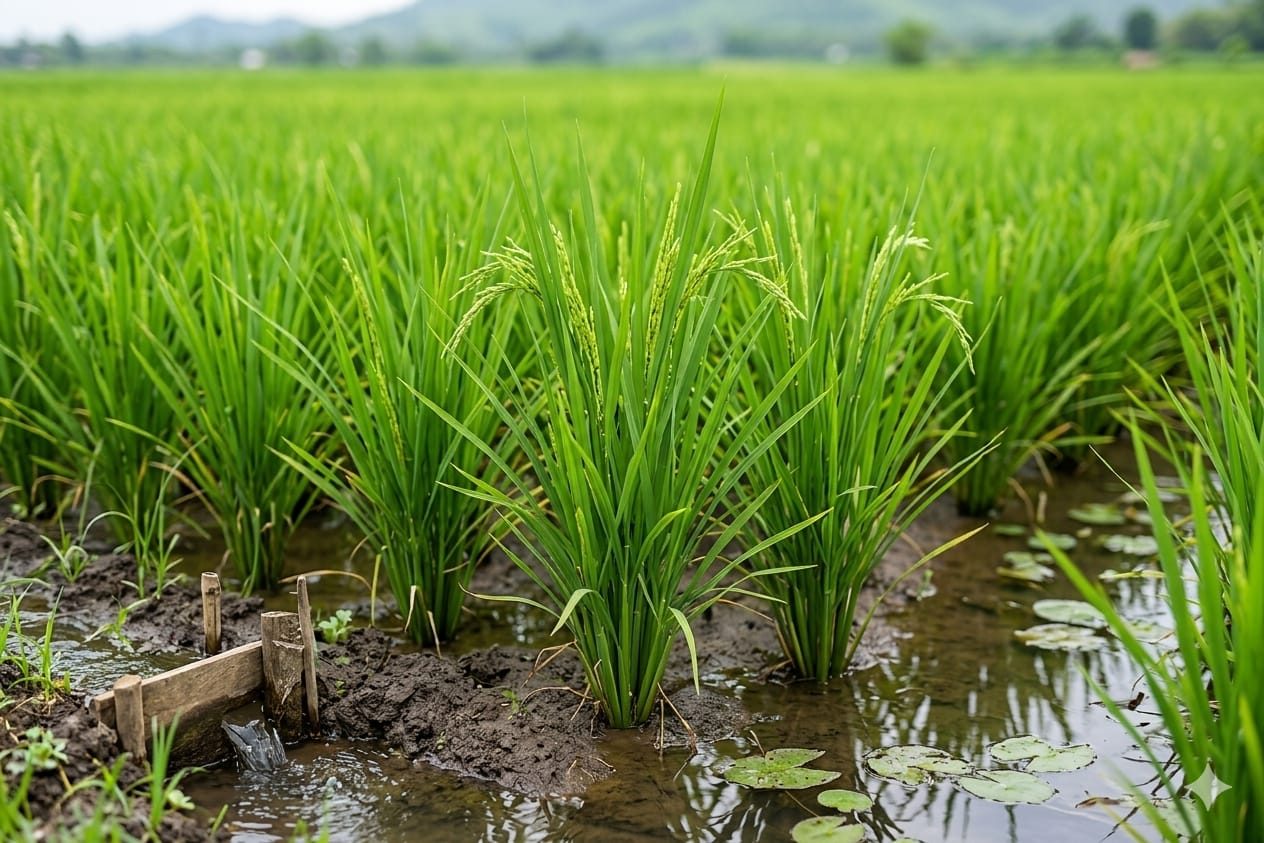
A comprehensive operational guide from field cultivation through industrial milling to international packaging — aligned with IRRI best practices for optimal Head Rice Yield.
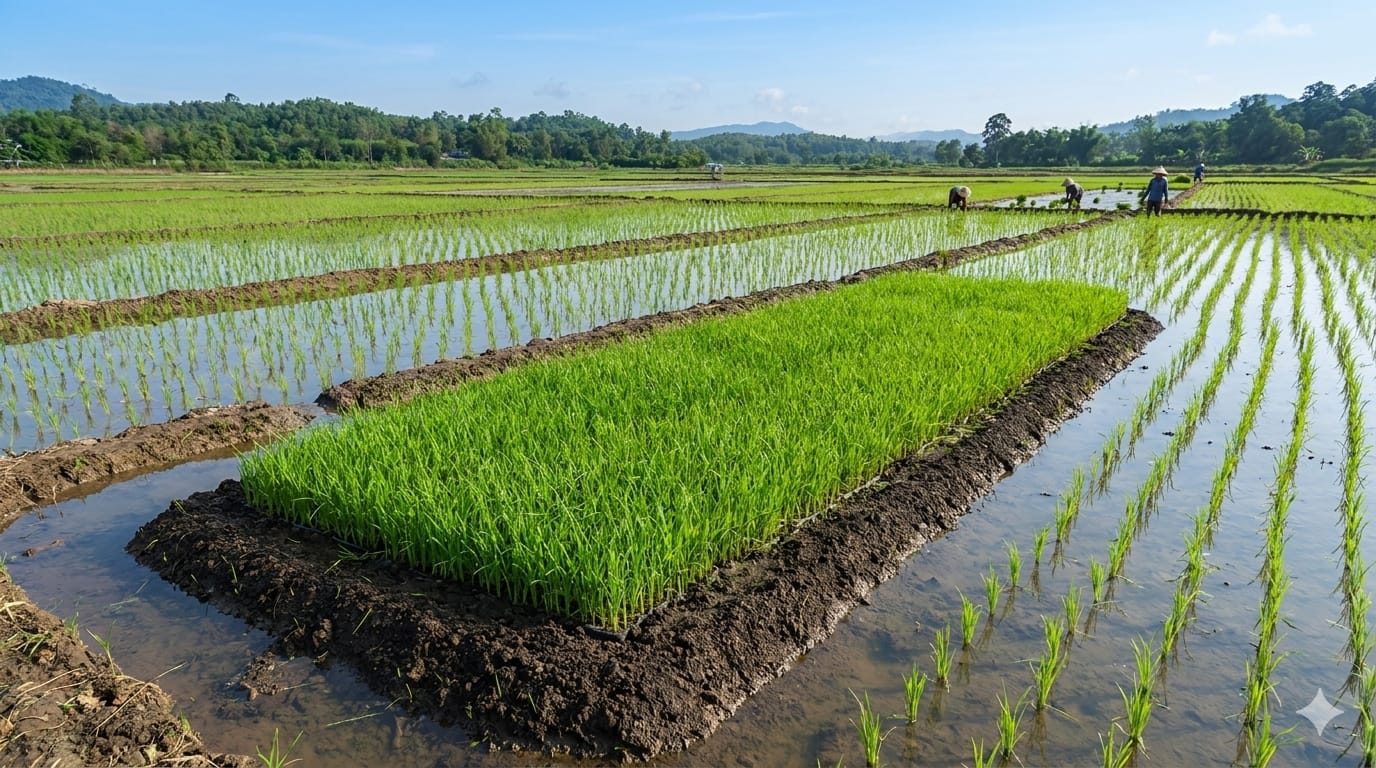
The biological development spans Vegetative (germination to tillering), Reproductive (panicle initiation to anthesis) and Ripening phases. Integrated management targets nutritional, hydrological and biological stress vectors with balanced NPK supply and Alternate Wetting & Drying (AWD) to conserve water.
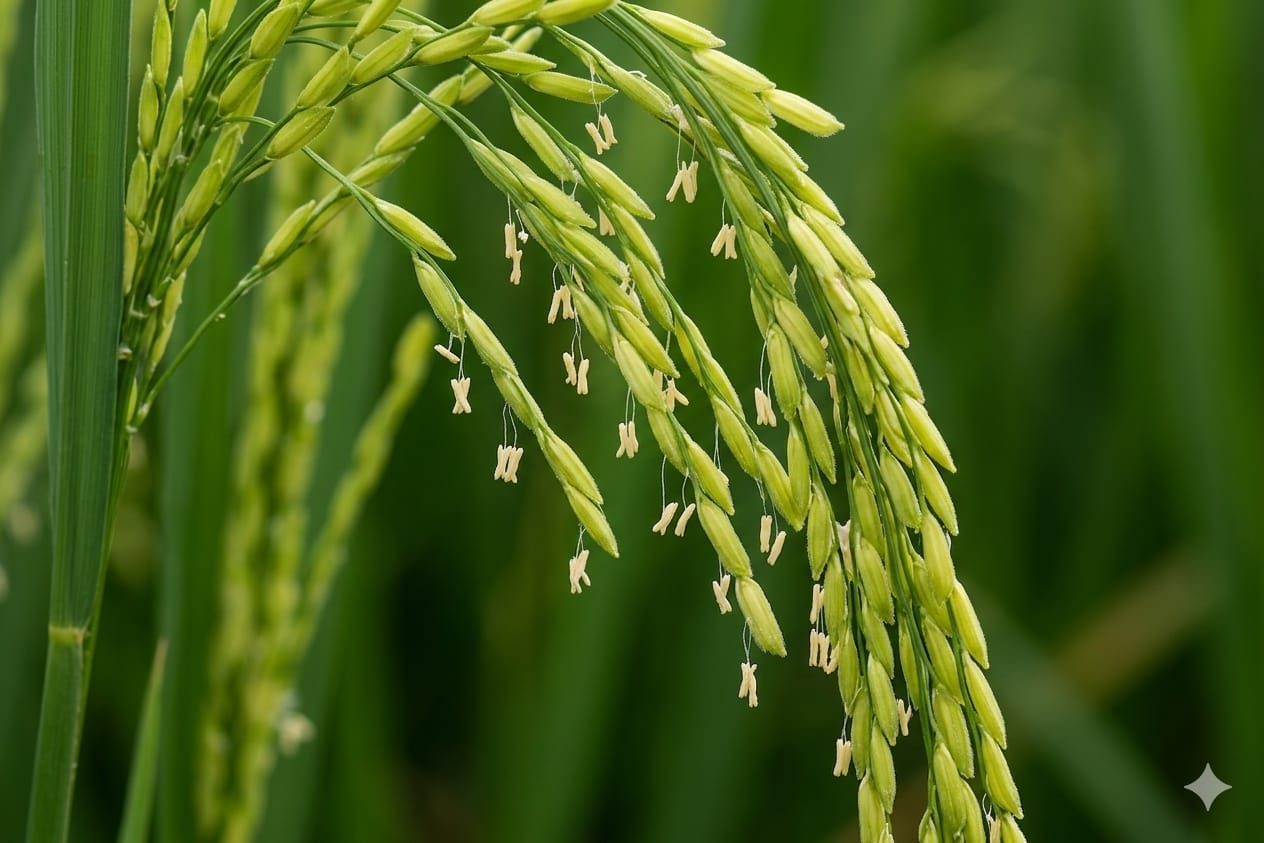
Panicle initiation, booting, heading and anthesis determine potential sink capacity. Photoassimilates translocate to the grain through milky, dough and yellow-ripe stages, filling the endosperm with starch.
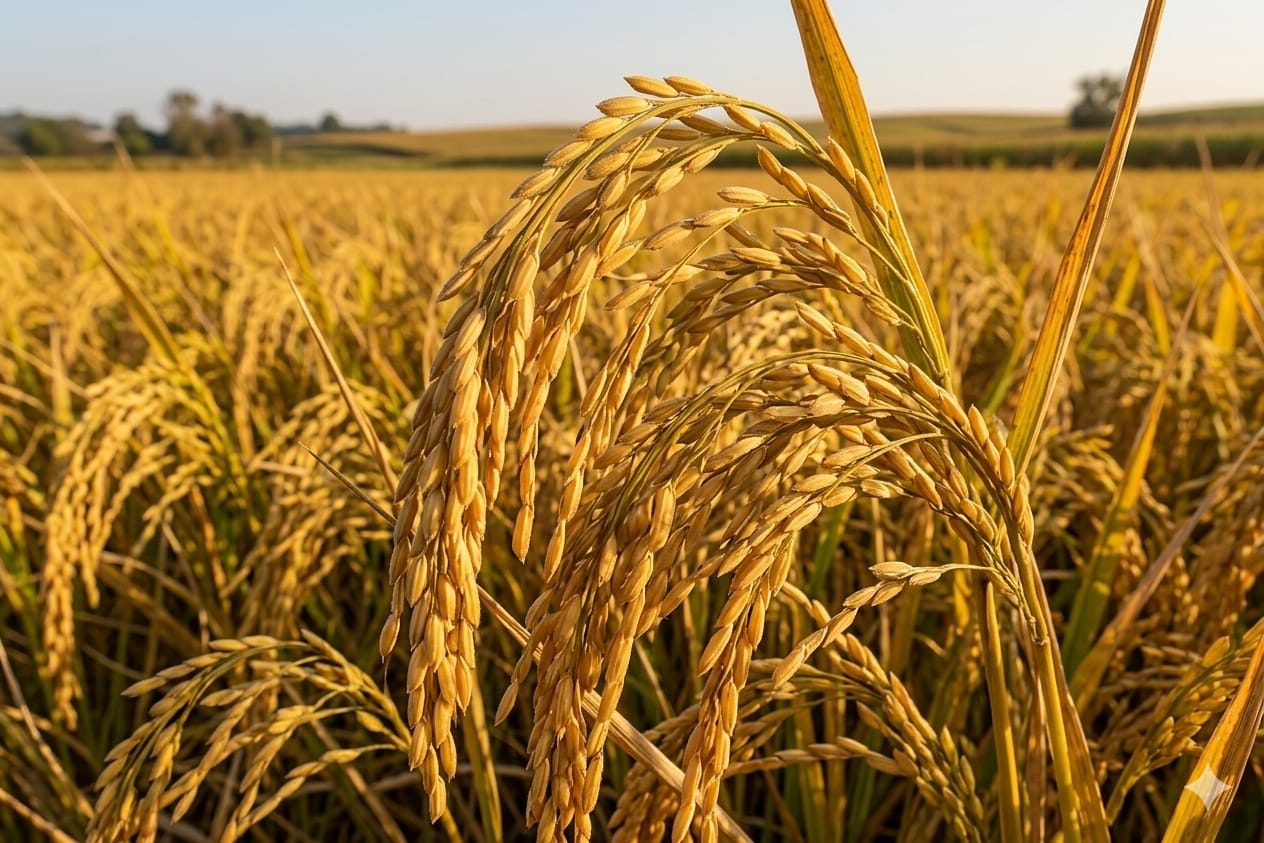
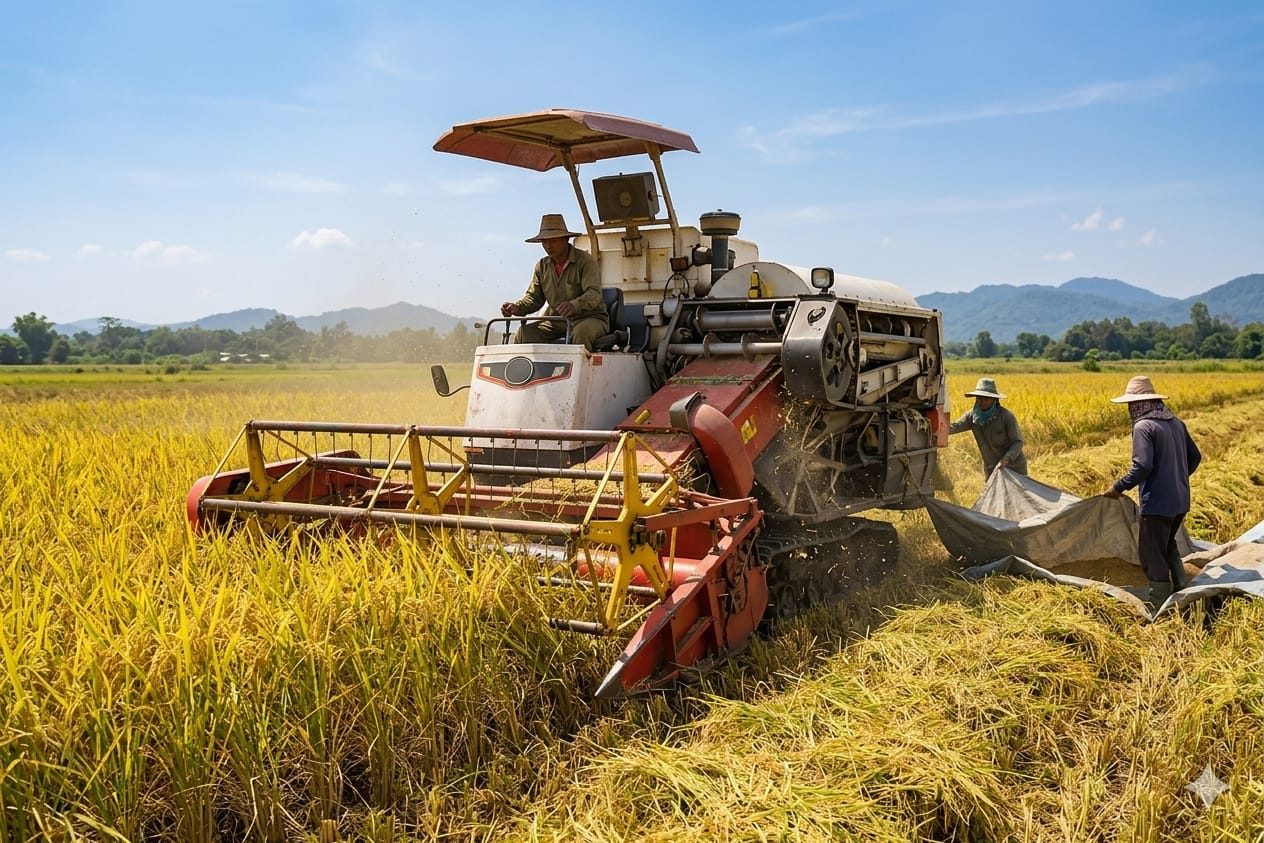
Harvest is initiated when 80–85% of grains turn straw-gold. Moisture content should ideally be 20–24% to prevent grain shattering and fissuring.
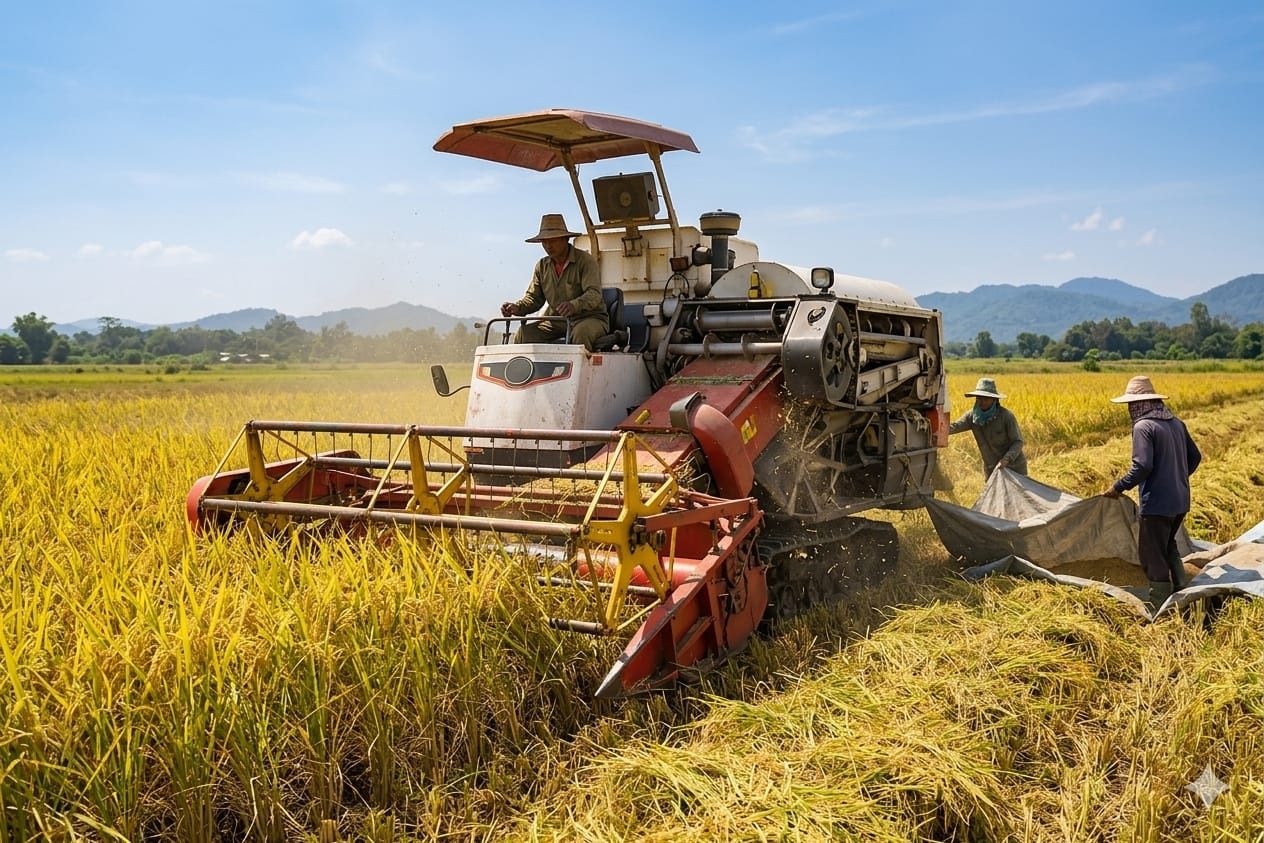
Combine harvesters unify cutting, threshing and preliminary cleaning into one continuous process. Manual sickle harvest remains common in labor-rich regions for small-holder farms.
High-throughput mechanical axial-flow threshers isolate paddy grains through mechanical impact and friction. Vibratory sieves and aspirator fans remove straw, chaff, stones, dust and unfilled light grains.
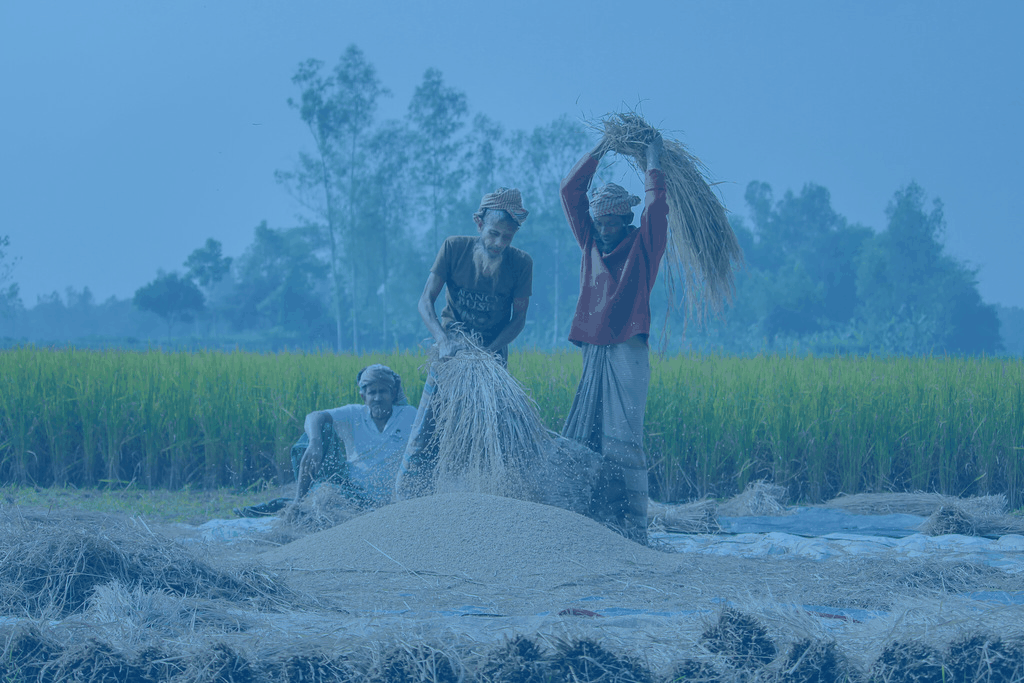
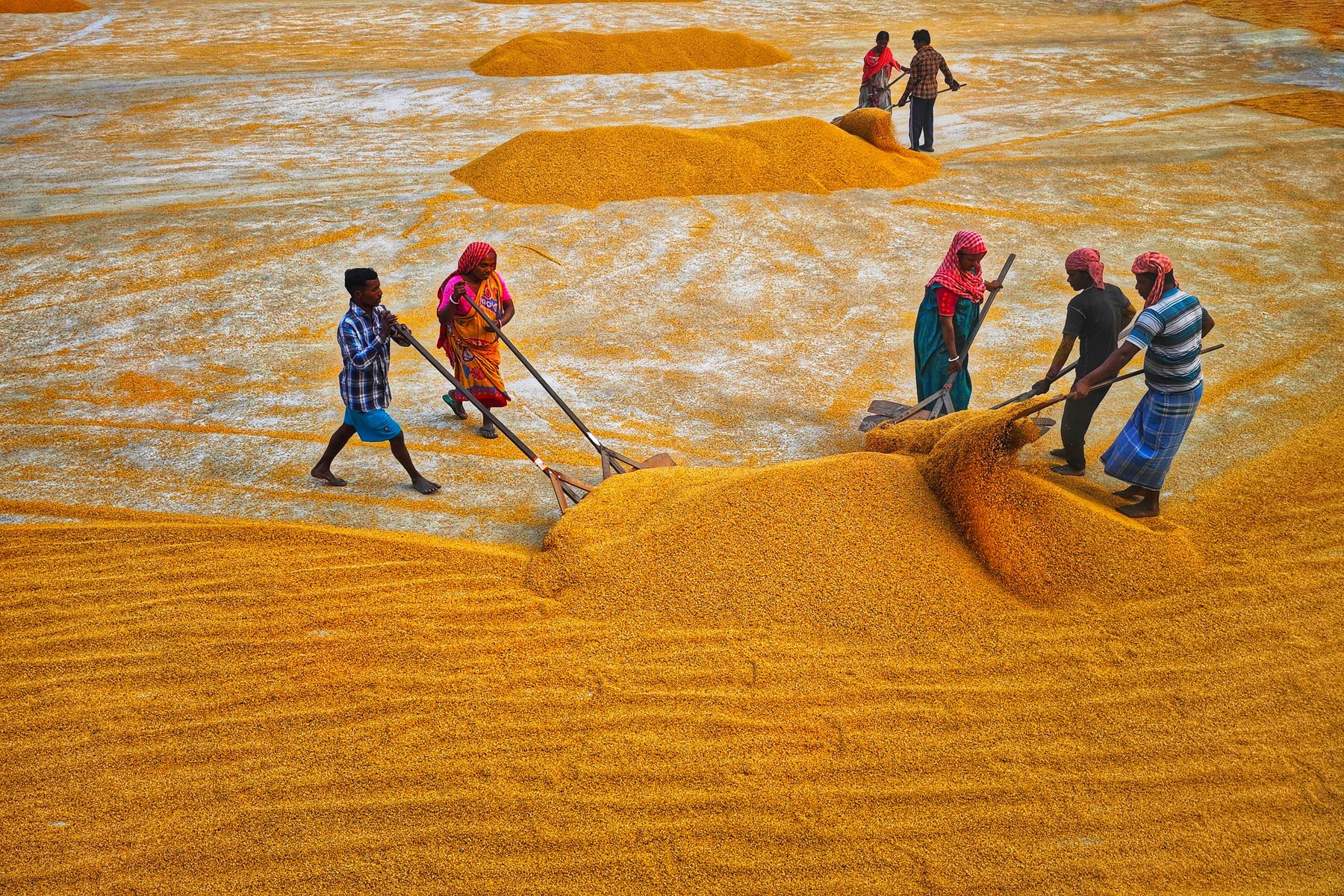
Moisture content is reduced from 20–24% down to 13–14% safe storage threshold using recirculating batch dryers or continuous-flow columnar dryers at 43°C–45°C, preventing endosperm stress and micro-fissuring.
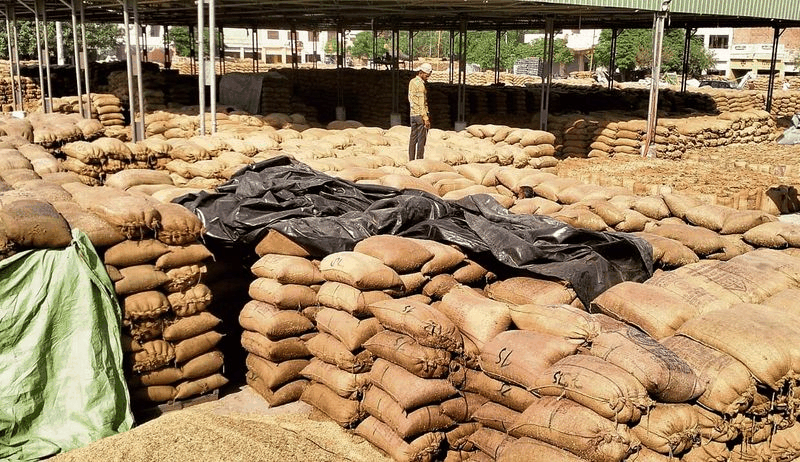
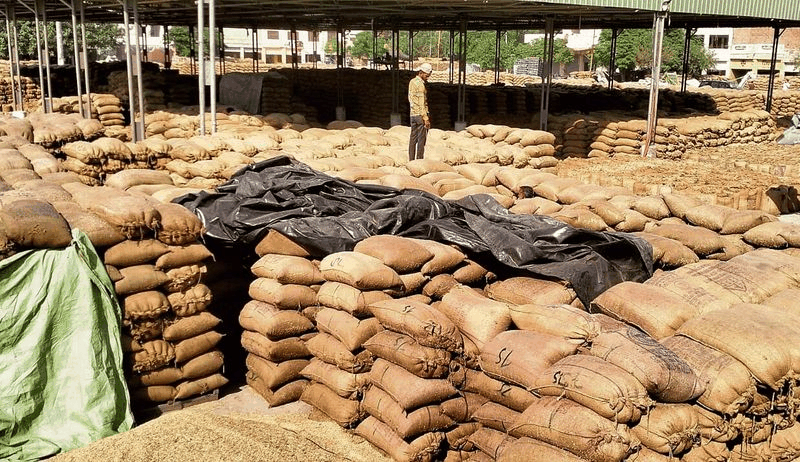
Dried paddy is stored in gunny/polypropylene bag warehouses or bulk vertical steel/concrete silos with automated aeration, temperature-monitoring and integrated insect mitigation systems to preserve biological integrity.
Soaking at 60°C–70°C hydrates endosperm. Pressurized steam gelatinizes starch granules, cementing internal micro-fissures and driving vitamins and minerals from outer bran into the core endosperm. Dried back to 13–14% before milling.
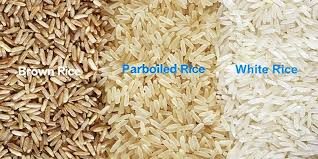
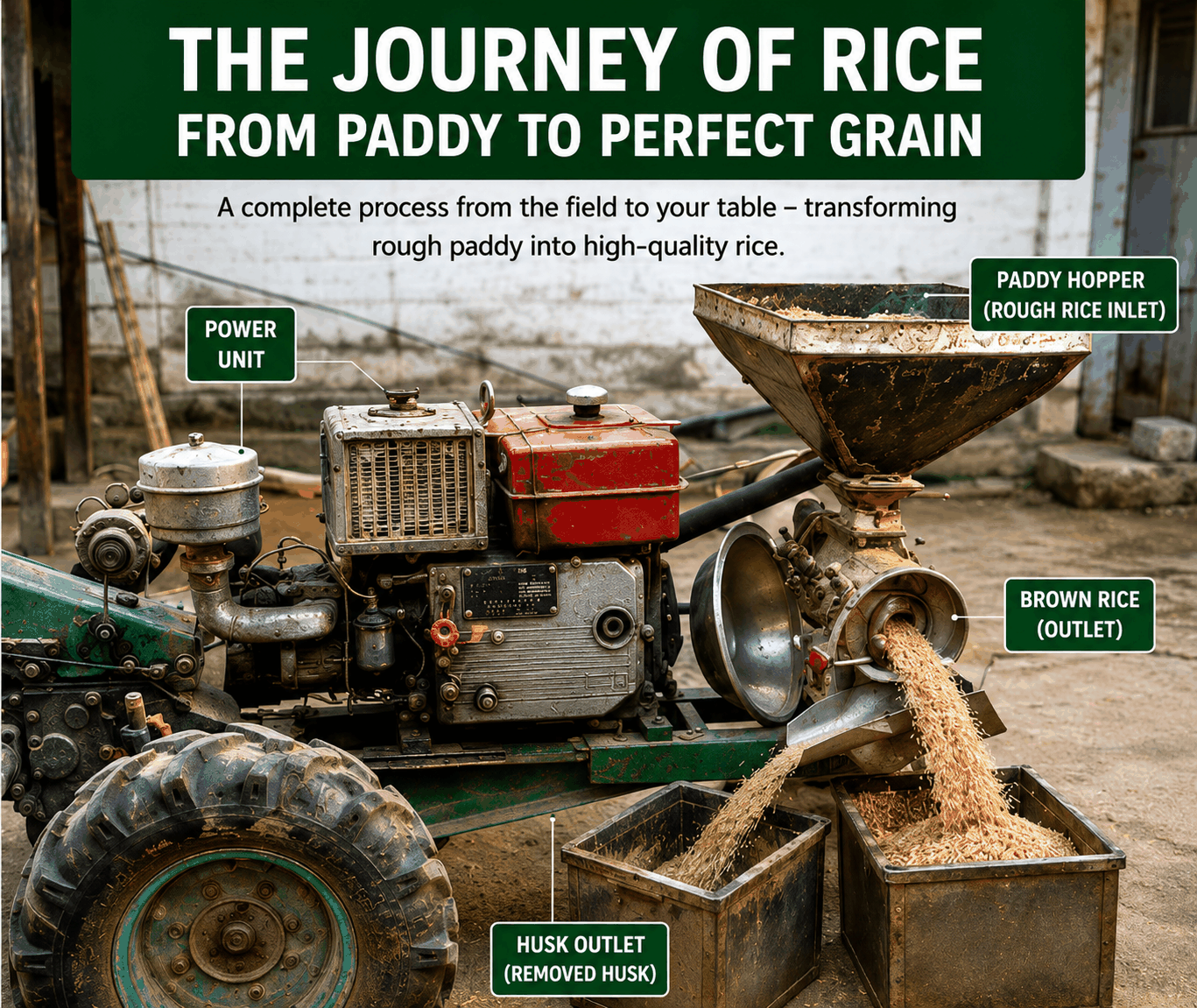
Paddy passes between two rubber rollers at differential speeds. The shear stress strips the tough outer hull while minimizing kernel fracturing, producing unpolished brown rice. Output enters paddy separator.
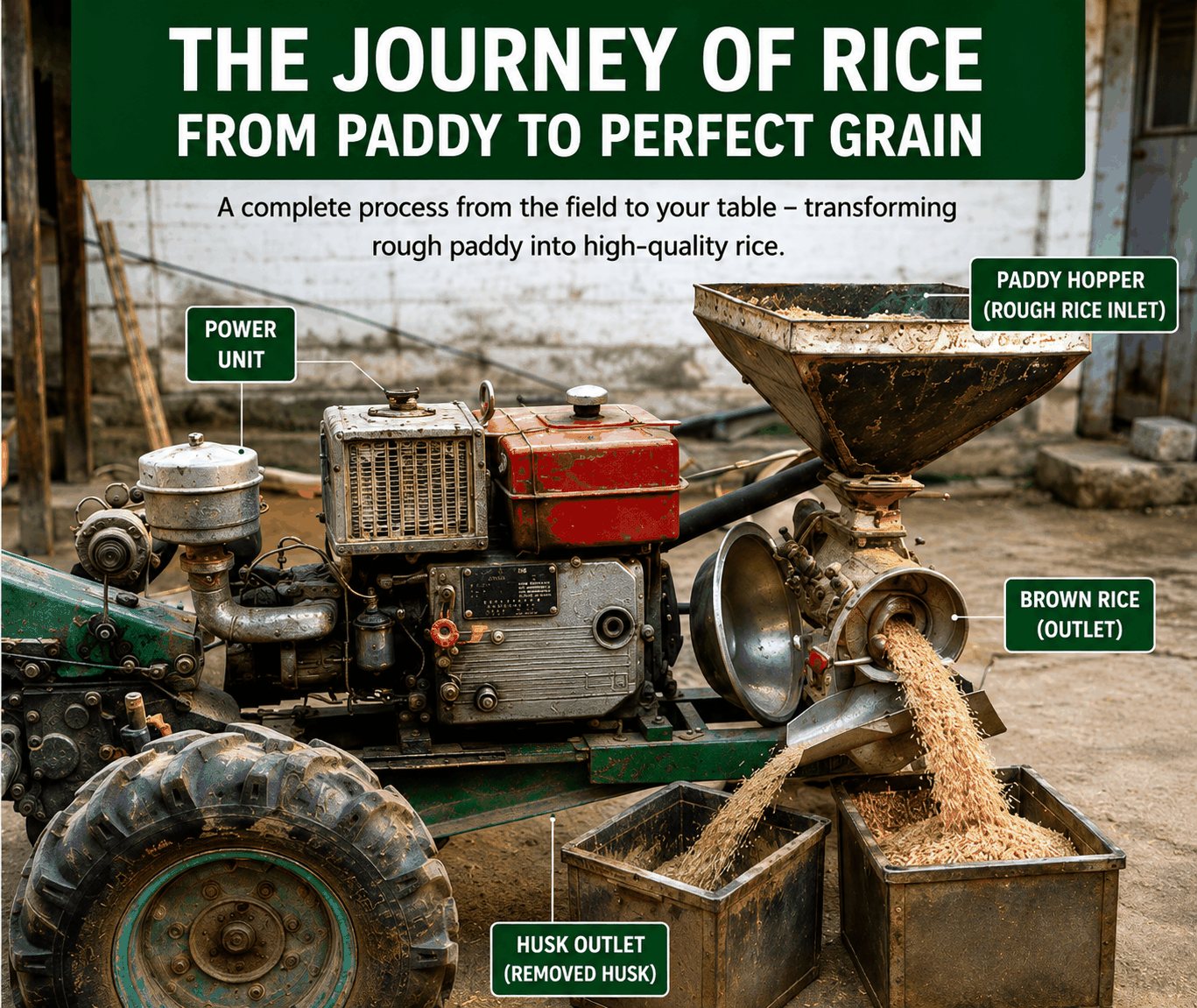
Paddy Separator uses differences in specific gravity, surface friction and buoyancy between smooth brown rice and rough paddy. Unhulled paddy is automatically recycled to hullers while brown rice advances to polishing.
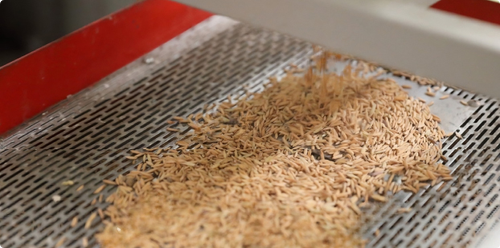
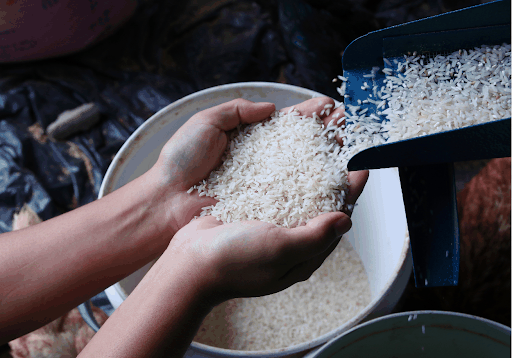
Abrasive whitening strips pericarp and aleurone layers. Water-mist friction polishers buff the surface to bright commercial appearance. CCD optical color sorters detect and reject discolored, chalky or damaged grains with micro-second air blasts. Sifters grade into head rice, large broken and small broken.
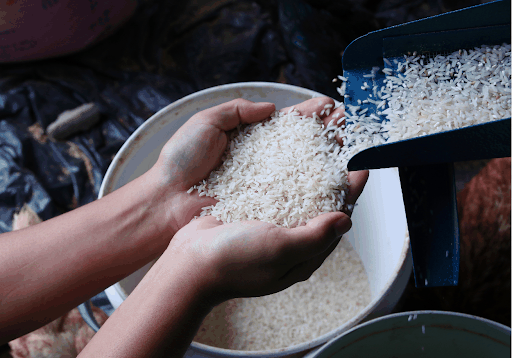
Automated weigh-fill lines deposit precise weights into BOPP or multi-layer PE bags. Advanced lines use vacuum packing or inert nitrogen-gas flushing to maximize storage life and prevent oxidation and pest re-infestation during international shipping.
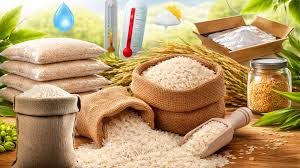
Industrial processing generates substantial secondary material streams that offer major value-add opportunities. KSR Exports works with processors to maximize every component of the rice supply chain.
Import Export Code from DGFT — mandatory for all Indian rice export operations.
Food Safety and Standards Authority of India — ensures rice meets all food safety and quality standards for international markets.
Agricultural and Processed Food Products Export Development Authority registration for Basmati and Non-Basmati rice exports.
Plant Quarantine certification confirming rice is pest-free and meets import country phytosanitary requirements.
We supply Basmati varieties including 1121 and 1509 in raw, steam and sella forms, alongside non-Basmati varieties such as Sona Masoori, IR64 and Swarna, plus parboiled and broken rice grades.
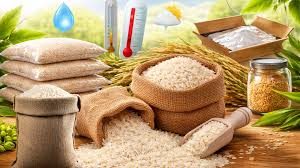
Rice is packed in 25 kg and 50 kg PP bags as standard, with printed BOPP bags available for buyer-branded retail requirements. Packaging is confirmed against your specification at the time of order.
Yes. Length graders separate head rice from brokens, allowing us to supply against an agreed broken percentage. The achievable specification is confirmed per lot before shipment.
Applicable export documentation is prepared for each shipment, which may include the Certificate of Origin, phytosanitary certificate, packing list, commercial invoice and quality reports as required by the destination.
Sourcing, processing and export preparation of rice at KSR Exports.
Contact our export team for specifications, pricing and sample requests. We supply FOB, EXW, FCA and FAS across all major rice varieties.