+91 76719 19744
FCV Tobacco Export
Flue-Cured Virginia (FCV) Tobacco from Andhra Pradesh & Karnataka
Premium FCV tobacco sourced directly from certified growing regions. Traditional, SBS, SLS and NLS varieties. Stripped FCV also available.
Exporting Premium Tobacco · Cashew · Rice · Turmeric · Spices from Andhra Pradesh, India
Premium FCV tobacco sourced directly from certified growing regions. Traditional, SBS, SLS and NLS varieties. Stripped FCV also available.
Important Supply Note: KSR Exports supplies FCV and Non-FCV Tobacco products in the form of Redried Threshed Lamina (RTL).
The finest Flue-Cured Virginia tobacco from Andhra Pradesh's established growing belt. Traditional FCV is prized for its consistent quality, distinctive flavour profile and superior burning characteristics.
India is the world's second-largest producer and exporter of tobacco leaf — a tightly regulated agro-industrial operation supporting over 45 million livelihoods, predominantly in Andhra Pradesh, Karnataka and Gujarat. The statutory Tobacco Board of India regulates the cultivation, grading and commercial auctioning of Flue-Cured Virginia (FCV) tobacco to maintain global quality standards.
FCV tobacco from Karnataka's growing zones offers distinctive characteristics ideal for specific blend formulations. We also supply Karnataka FCV by-products.
Widely exported stripped FCV grade. Small binder strips with excellent combustibility and aroma.
Air/sun-cured stripped leaf with balanced nicotine and moisture profile.
Processed strips from stalk/stem removal. Used in cigarette blending and reconstituted tobacco.
Premium Karnataka belt FCV with distinct aroma profile. Exported to Italian and European markets.
Tobacco scrap, stems and cut-rag suitable for reconstituted tobacco and sheet production.
Grade TI, TII unstripped leaf. Full-leaf format for buyers who process in-house.
India's FCV tobacco supply chain is a tightly regulated agro-industrial operation. India is the world's second-largest producer and exporter of tobacco leaf — a tightly regulated agro-industrial operation supporting over 45 million livelihoods, predominantly in Andhra Pradesh, Karnataka and Gujarat. The statutory Tobacco Board of India regulates the cultivation, grading and commercial auctioning of Flue-Cured Virginia (FCV) tobacco to maintain global quality standards.
Tobacco seeds are microscopic — 300,000 per ounce — and must be pelletized with clay for mechanical handling. They are sown into polystyrene trays floating on a nutrient-rich water solution within climate-controlled greenhouses. Duration: 50 to 60 days until seedlings reach 15 cm height.
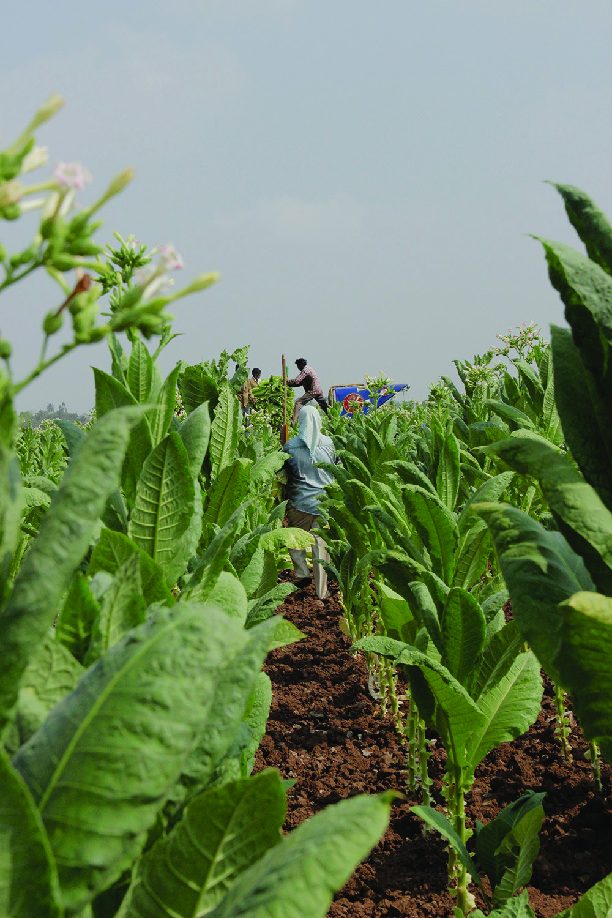
Fields are plowed into precise "ridge and furrow" formations using well-drained sandy loam or black soils. Seedlings are extracted from float trays and manually transplanted into pre-marked holes along the ridges. Immediate irrigation follows to establish root systems.
When the tobacco plant begins to bloom, the terminal flower head is broken off (Topping). This diverts the plant's energy from seed production into expanding the biomass and nicotine content of the leaves. Secondary shoots (Suckers) emerging from leaf axils are suppressed using fatty alcohol sprays.
For FCV varieties, harvesting uses Priming — laborers hand-pick 2 to 4 ripe leaves at a time, moving from the bottom of the stalk upward over several weeks. Burley tobacco uses Stalk-Cutting, where the entire plant is chopped down at once. Stalk-position at harvest directly determines the commercial grade.
Curing is a controlled dehydration process that triggers chemical breakdowns, converting starches to sugars and turning leaves from green to yellow/amber. Flue-Curing: leaves hung in sealed barns heated by external pipes (flues) for 5 to 7 days. Air-Curing: Burley is hung in ventilated, unheated structures to dry naturally over 4 to 8 weeks.
Cured leaves are highly brittle. They are exposed to steam/mist (Reconditioning) to restore pliability. Farmers sort leaves by plant position, color and texture. Graded leaves are compressed into 100–200 kg jute-wrapped bales and sent to official Tobacco Board Auction Platforms.
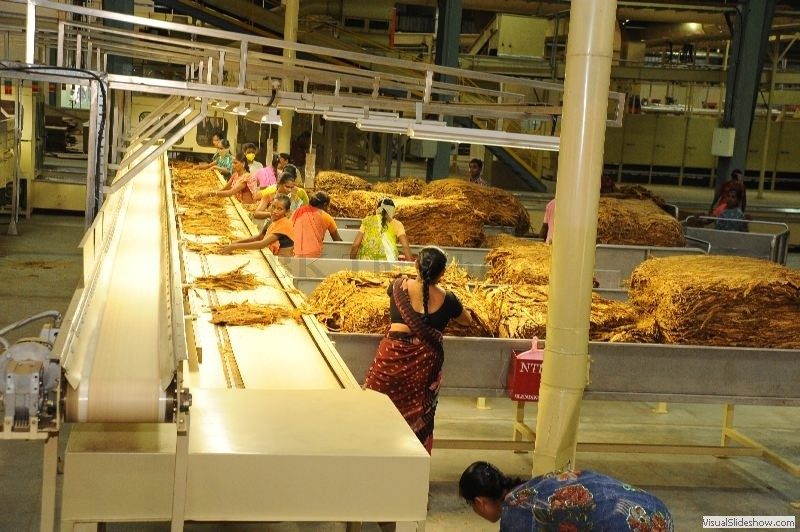
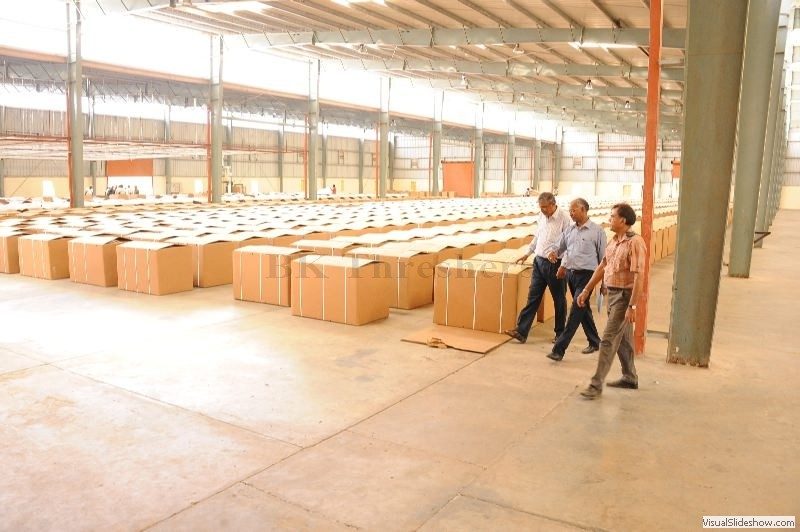
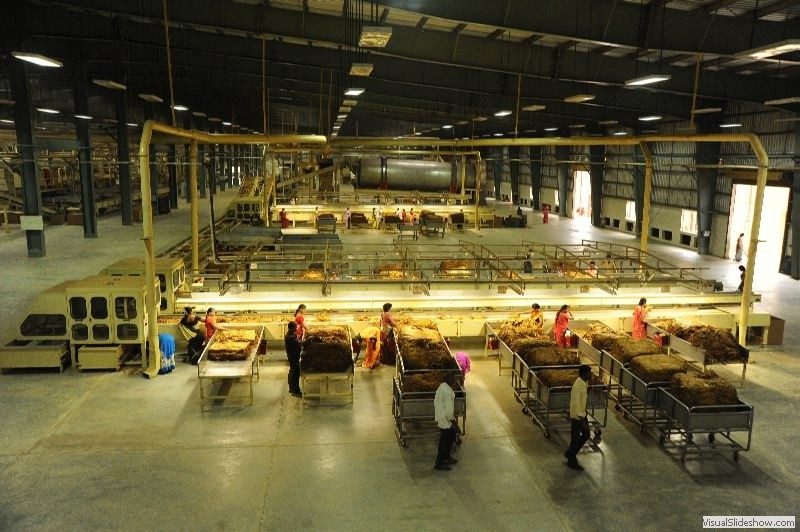
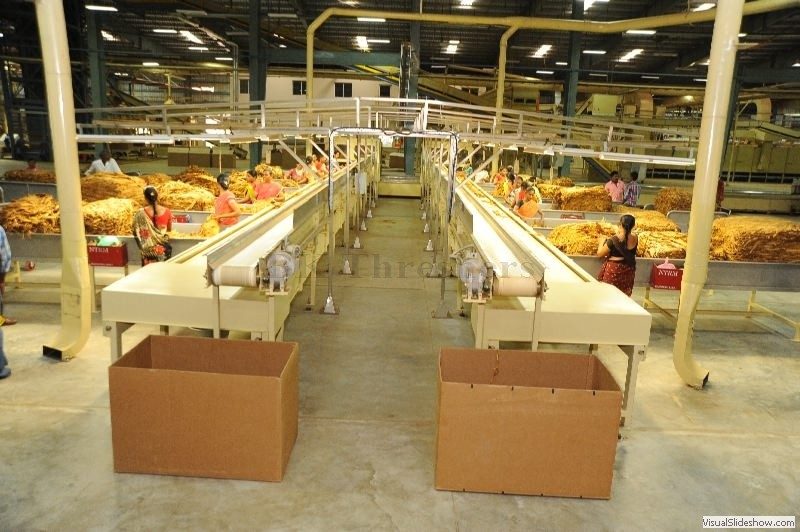
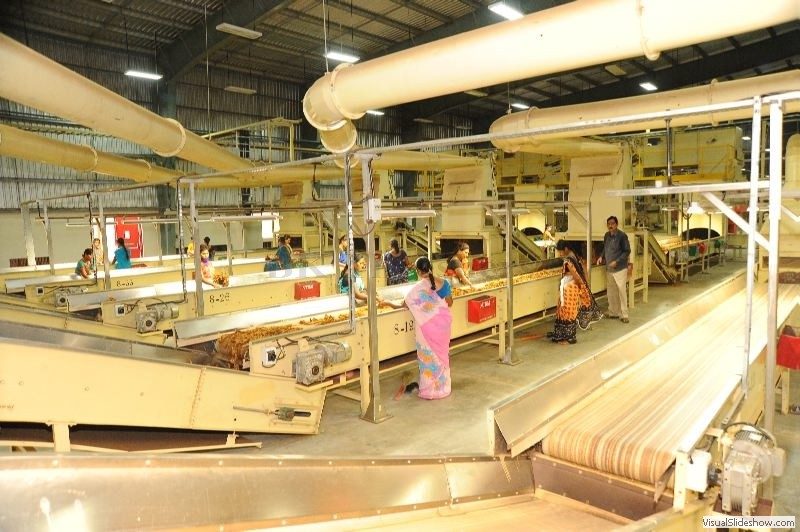
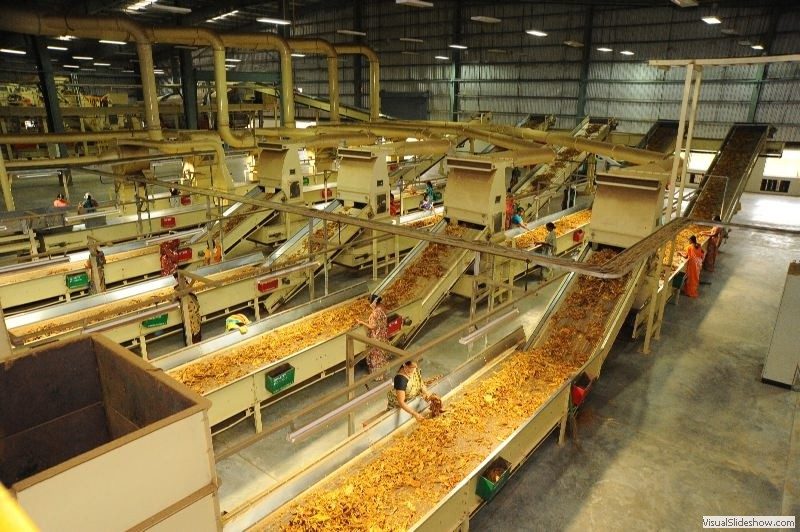
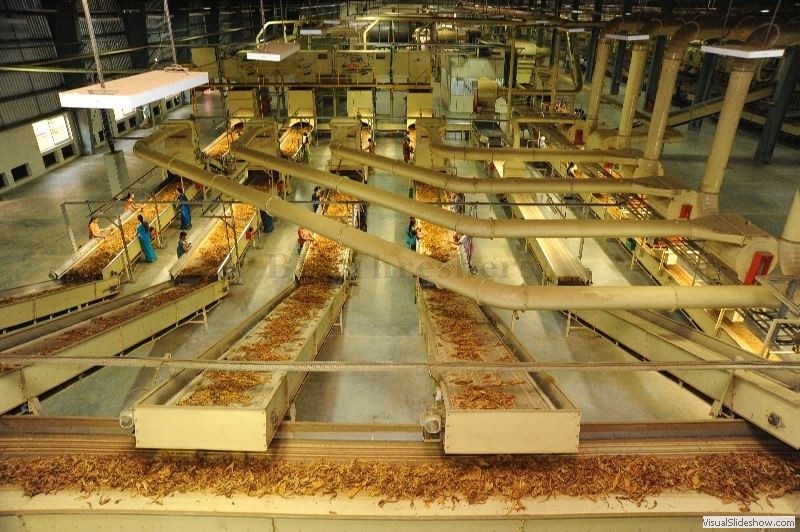
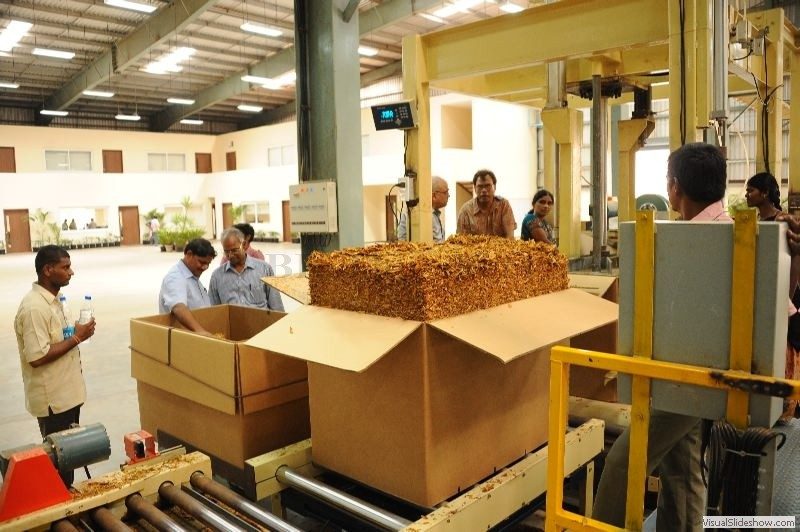
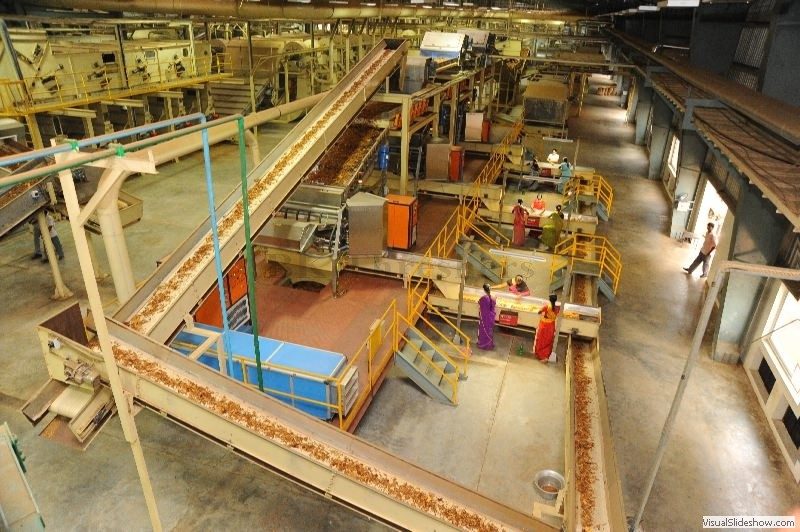
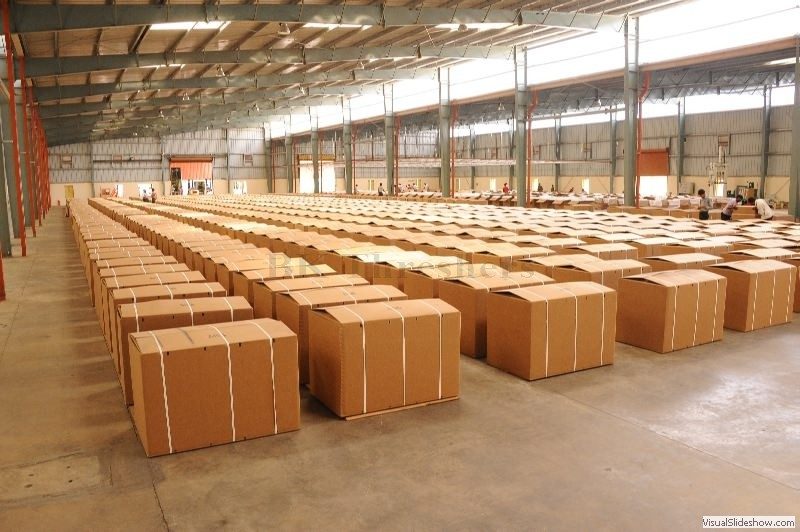
Bales enter an industrial facility where they are blended for uniformity. The leaves undergo mechanical threshing to separate the soft leaf web (Lamina) from the woody center vein (Main Stem / Midrib). The separate components are completely dried to kill insects and mould, then systematically re-moistened to an exact 11%–12% equilibrium. The product is packed into heavy-duty C-48 cardboard cartons to age for several years before cigarette manufacturing.
Mandatory registration with the Tobacco Board of India for all FCV tobacco exports. Ensures full compliance with Government of India tobacco export regulations.
Import Export Code from the Directorate General of Foreign Trade — the primary certification required for all Indian exports.
Confirms Indian origin for customs clearance and preferential trade agreement eligibility in export destination countries.
Per-consignment chemical analysis covering moisture, nicotine, sugar content, and leaf grade characteristics issued for every FCV shipment.
Sourcing, processing and export preparation of fcv tobacco at KSR Exports.
Request pricing, samples or export documentation. Our team responds within 24 hours.